

Bookkeepers are not always required to have a degree but may hold certifications, such as Certified Bookkeeper. Bookkeeping and accounting are both important for tracking a business’s finances, but they serve different purposes. These differences show up in their day-to-day tasks, the skills needed for each role, and the goals they work toward. A bookkeeper’s main job is to enter all this information accurately into ledgers or bookkeeping software.
Professional Services Automation
Compliance with industry-specific regulations is also essential, depending on the nature of the business. Attention to detail is crucial for bookkeepers, as careless mistakes can lead to bigger, costlier, more time-consuming problems down the road. Bookkeeping largely focuses on documenting and organizing financial transactions. It helps a business in the short and long term decision making and also conveys the credibility of a company to the market.

Why Accounting Is Important: Essential Insights for Business Decision-Making & Financial Health
However, bookkeepers often complete bookkeeping courses or certification programs to stay competitive. For example, https://www.bookstime.com/ the National Association of Certified Public Bookkeepers (NACPB) offers a certification program for professionals who want to demonstrate or expand their expertise. Consider hiring an accountant when financial advice is needed or desired or for compliance reasons.
Accountant Certification Programs
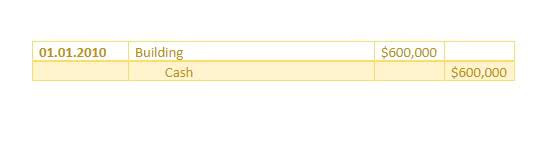
Ledgers vary in complexity from a sheet of paper or spreadsheet to specialized bookkeeping and accounting software. If your business has grown to the point where you can no longer handle daily financial tasks, such as recording sales, managing invoices, or tracking expenses, it’s time to hire a bookkeeper. They will help maintain accurate financial records and free up your time for other business priorities and activities. Bookkeepers are responsible for the daily recording of transactions, maintaining accurate ledgers, and ensuring financial data is well-organized.
Their expertise often requires specialized training or a college degree in accounting. Bookkeepers, accountants, and Certified Public Accountants (CPAs) all play different roles in managing finances. The type of tasks they handle and the level of expertise required varies based on their role and professional title. Bookkeeping software is designed to record daily transactions, while accounting software offers more analysis and management features.
Planning for a Profitable 2026? How Australian SMEs Can Set Financial Goals That Actually Stick.
In conclusion, both bookkeeping and accounting are essential components of effective financial management in dental practices. Each function serves a unique purpose that ultimately contributes to the overall financial health and sustainability of the business. Engaging with specialists who understand these aspects, such as those at ADCPA, offers dentists the advantage they need to thrive in a competitive market. Understanding the distinction between bookkeeping and accounting is vital for dental practitioners striving for success in their practice. While both functions are essential, they serve different purposes and provide different insights into the financial health of a dental practice. This content aims to clarify these differences and highlight why both practices are integral to a thriving dental business.
- Most accountants, bookkeepers, and accounting software platforms use the double-entry method for their accounting.
- This guide will explain the differences and similarities between bookkeeping and accounting and help you choose the right financial professional.
- While bookkeepers and accountants share similar foundational knowledge, they have distinct roles and career paths due to varying levels of education and training.
- It forms the groundwork on which all higher-level financial decisions are built.
- By analyzing financial data, accountants can identify trends and patterns that inform business strategies.
While bookkeepers manage the records, accountants interpret the information to support decision-making and long-term financial strategy. Accountants go beyond recording transactions by analyzing financial data, preparing tax returns, and ensuring regulatory HVAC Bookkeeping compliance. They provide strategic financial advice, perform audits, and help businesses optimize their financial performance.

In general, a bookkeeper’s role is to record transactions and keep you financially organized, while accountants provide consultation, analysis, and are more qualified to advise on tax matters. The transactions that you record in your bookkeeping are also the foundation of your accounting. In this guide, we’ll explain the functional differences between accounting and bookkeeping, as well as the differences between the roles of difference between bookkeeping and accounting bookkeepers and accountants. For dental practices, profitability is not merely about increasing revenue but involves a thorough analysis of various financial elements. Understanding the financial health of a business is crucial for making informed decisions that can ensure long-term success. Financial accounting is the structured process of recording, classifying, and reporting your business transactions using standardized principles like GAAP (Generally Accepted Accounting Principles).
Can a bookkeeper handle my accounting needs?

Business News Daily provides resources, advice and product reviews to drive business growth. Our mission is to equip business owners with the knowledge and confidence to make informed decisions. Bookkeeping is the first part of the accounting process, so the work of a bookkeeper and accountant often overlaps. Bookkeeping focuses on recording and organising financial data, while accounting is the interpretation and presentation of that data.
Accounting software offers more advanced features beyond simple recording. It not only tracks transactions but also provides tools for financial reporting, budgeting, and tax preparation. It may include inventory management, payroll, and multi-currency options. The titles “accountant” and “bookkeeper” are often used interchangeably, but there are important differences between the two roles. For example, accountants typically charge a much higher hourly rate than bookkeepers. As a result, assigning routine bookkeeping tasks to an accountant could leave you overpaying for financial services.